
Neurofeedback at SNC
Measure your brain. Train it. Change your trajectory.
SNC's neurofeedback programme measures how your brain is functioning, then builds a personalised training plan to improve it — session by session, tracked by real results. 30 minutes, in clinic.
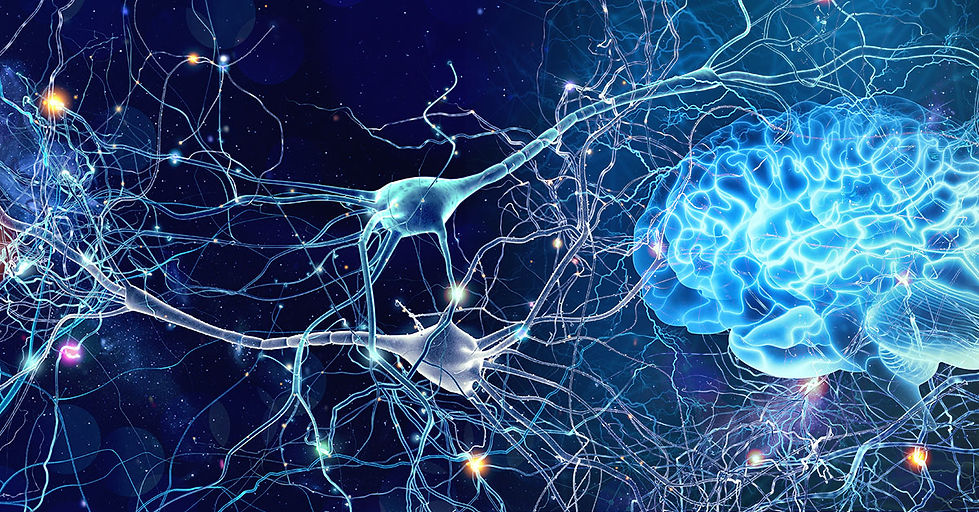
Your brain is already changing. The question is who's driving.
Your brain is working harder than it ever has — more decisions, more noise, more years expected at your best. Underneath it all, it is quietly reshaping itself every day.
The sleep you get, the stress you carry, the habits you keep or let slip — all of it is neuroplasticity in motion, whether you are guiding it or not.
Neurofeedback lets us see what is actually happening beneath the surface and train it at the source. Not to help you cope with the pressure — to help you get ahead of it.
How it works
Measure. Train. Track.
Measure
A quantitative EEG (qEEG) baseline maps how your brain is actually functioning — attention, arousal, emotional regulation and sleep networks.
Train
Real-time feedback rewards the brain when it drifts toward calmer, more efficient states — the same neuroplastic learning that underlies every new skill.
Track
Progress is reviewed session by session. We adjust the protocol as your brain shifts, so training keeps meeting you where you are.
What we train for
A programme built around your concerns
Every plan is individual — but these are the patterns clients most often come to us with.
Focus & attention
For students, professionals and clients with ADD/ADHD patterns.
Sleep & calm
Downshifting the nervous system for deeper, more restorative sleep.
Post-concussion recovery
Supporting the brain after mild traumatic brain injury or long recovery.
Mood & resilience
For anxiety, low mood, and stress-driven emotional reactivity.
Migraine patterns
As part of a broader plan alongside diet, structure and detoxification.
Peak performance
Athletes, creatives and executives training for consistency under pressure.
How do we know it works?
Change you can measure.
Neurofeedback has more than five decades of peer-reviewed research behind it — for attention, anxiety, insomnia, migraine and post-concussion recovery. At SNC we combine that evidence base with a qEEG so progress is not a feeling; it is a measurement.
We re-map your brain at set intervals so you can see, in your own data, where training has landed.
10–20
Sessions before most clients notice change
30 min
Per in-clinic session
643
EEG biomarkers captured in a full brain map
35+ yrs
Of integrative clinical experience at SNC
Your journey
Four steps from map to measurable change
1
qEEG assessment
A 45-minute brain map identifies which networks are over- or under-arousing.
2
Personalised protocol
Your clinician designs a training plan targeting the specific patterns behind your symptoms.
3
Training sessions
30-minute in-clinic sessions, typically 2× per week. You watch, listen or play — the brain does the learning.
4
Progress reviews
We re-measure at intervals and adapt. Most clients feel change within 10–20 sessions.
FAQ
Common questions
Is neurofeedback safe?
Yes. It is non-invasive — sensors read your brain's own electrical activity, nothing is sent into the brain. It has been used clinically for over 50 years.
How many sessions will I need?
Most training plans run 20–40 sessions. Some concerns (focus, sleep) show change earlier; deeper patterns take longer.
Do I have to do anything during a session?
No effort required. You watch a screen or listen to audio; feedback rewards the brain automatically when it hits target states.
How is this different from meditation apps?
Apps guide behaviour. Neurofeedback trains the underlying electrical patterns directly, using your brain's own signals as the teacher.
Start with a brain map.
Book a Functional brain age assessment at SNC Singapore and we will show you — in your own data — what training could change for you.