
Resources
Understanding the Gut–Brain Axis
Neuroplasticity, environmental load and the gut–brain connection — a gentle primer on how the brain rewires, and what quietly gets in the way.
Find Your Care Path
What's most present for you right now?
Informational only — this selector suggests a program or pathway that most closely matches your interest. It is not a diagnosis or medical assessment.
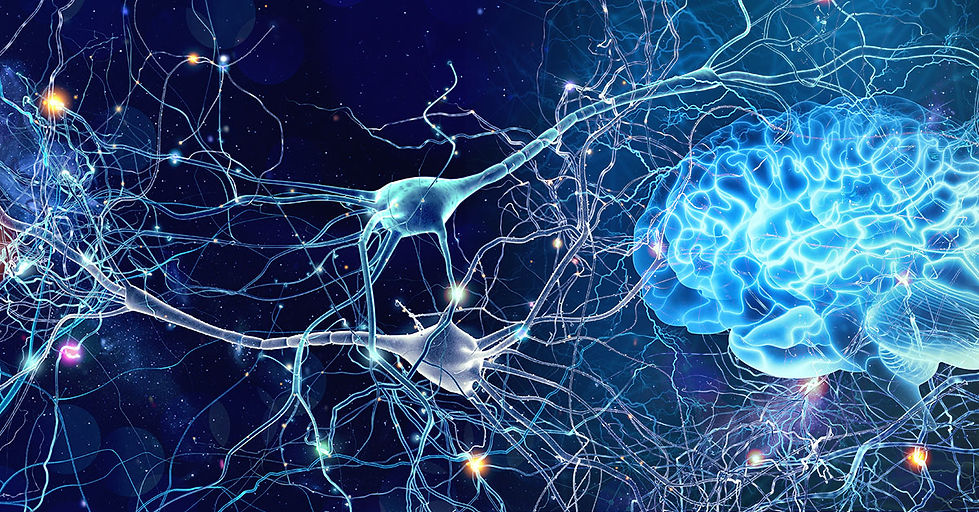
Neuroplasticity — also called neural or brain plasticity — is the ability of neural networks in the brain to change through growth and reorganisation. It's the brain rewiring itself to function in ways that differ from before.
Toxins can drive inflammation, oxidative stress, infection and allergy. Dr Joe Pizzorno, a founding figure of functional medicine, describes in The Toxin Solution the basic mechanisms by which environmental toxins affect brain health. Emotional trauma and chronic stress add to this same load.
Video guide
Gut–Brain Healing: The Life-Changer
A short introduction to how gut health shapes mood, focus and long-term wellbeing — and why addressing the gut–brain axis can be genuinely life-changing.
How toxins and stress reach the brain
Ten pathways through which environmental load, old injuries and unresolved stress shape brain function over time.
Toxins poison enzymes
Enzymes speed up nearly every chemical reaction inside our cells. When toxins interfere with them, those reactions run less efficiently — with knock-on effects for energy, detoxification and mood.
Toxins displace structural minerals
When toxins displace calcium in the bones, skeletal structure weakens and, later in life (for women, in menopause), stored toxins can be released back into circulation, ultimately reaching the brain and increasing inflammation.
Toxins damage the brain and blood–brain barrier
Through breaches in the blood–brain barrier, molecular mimicry and neo-epitope formation, toxins can provoke immune responses that target the brain and endocrine tissues.
Toxins damage DNA
Many common pesticides, phthalates, improperly detoxified estrogens and benzene-containing products damage DNA, accelerating ageing and cellular degeneration.
Toxins modify gene expression
Genes switch on and off to adapt to our internal and external environment. Some toxins activate or suppress these switches in undesirable ways, with effects that can span generations.
Toxins block cell receptor sites
By occupying receptor sites, toxins prevent hormones and signalling molecules from delivering their messages — a pattern that can present as anxiety or low mood.
Toxins disrupt hormones
Endocrine disruptors such as BPA can induce, inhibit or mimic hormones, creating imbalances that ripple through mood, energy and metabolism.
Toxins impair the body's ability to detoxify
Perhaps the most difficult problem of all: a heavy body burden limits the very systems needed to clear it.
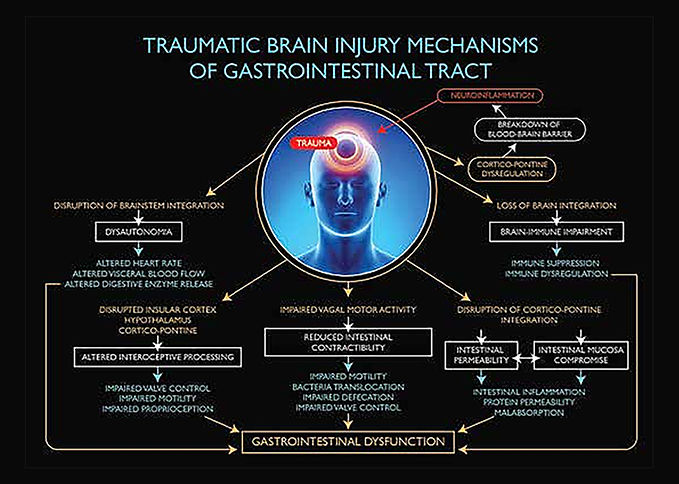
Old physical injuries linger
Sports injuries, accidents and whiplash can have long-lasting biomechanical and neurological impact years after the event.
Emotional trauma and chronic stress
Stress and unresolved trauma create biochemical changes that can shape brain function over many years.
Where to from here
If any of this feels familiar, you don't have to work it out alone. A first conversation is a generous, unhurried space to share your health story and see whether a coordinated plan makes sense.
Educational content only. This is not a diagnosis or a substitute for individual medical advice.